Browse by genre
8 genre guides, each with reading recommendations, author context, and free books ready to speed-read.
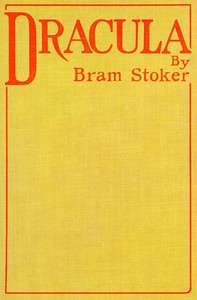
Gothic horror is a genre built on atmosphere, dread, and the transgression of boundaries — between the living and dead, the rational and irrational, the civilised and monstrous.

Russian literature of the nineteenth century produced a body of work without parallel in any other national tradition — a sequence of novels and stories that confronted mortality, guilt, religious faith, and the nature of consciousness more directly than anything being written elsewhere.
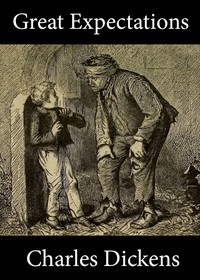
Victorian fiction encompasses the rich literary output of Britain and France from roughly 1830 to 1914 — a period of industrialisation, empire, social reform, and intense class anxiety.
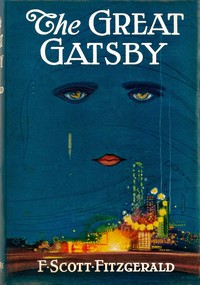
American classic literature spans from Hawthorne and Melville in the mid-nineteenth century through the modernists of the 1920s and 30s, producing a body of work defined by its engagement with freedom, identity, race, and the gap between the American Dream and American reality.
Philosophical fiction uses narrative — or in some cases prose poems and dialogues — to explore fundamental questions about how to live, what we know, and what we owe each other.
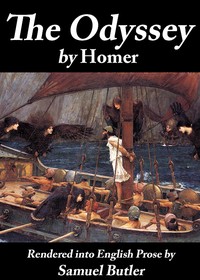
Ancient epic poetry is the oldest literary tradition in Western culture — oral poems of enormous scope that encode a society's values, histories, and understanding of the divine.
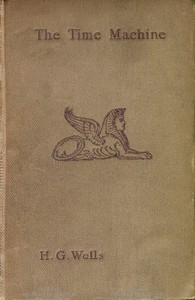
Dystopian fiction imagines futures — or alternate presents — in which social, technological, or political forces have taken a turn toward catastrophe.
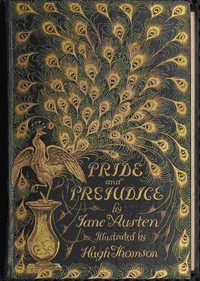
Romance classics is a broad category of beloved, widely-read classics in which love, longing, and human connection are central — from the precise social comedy of Jane Austen to the sweeping adventure of The Count of Monte Cristo, the sharp wit of Oscar Wilde, and the accessible adventures of Treasure Island.
